
Why Direct Manufacturer Gantry Crane Prices Are Lower
Purchasing a gantry crane is a significant investment for many industrial facilities, warehouses, construction sites, and ports. These cranes, essential for lifting and transporting heavy materials, vary widely in price depending on type, capacity, span, and supplier. One key factor that can dramatically influence cost is the choice of supplier. Purchasing directly from a gantry crane manufacturer often results in significantly lower prices compared to going through intermediaries or distributors. In this article, we explore why direct manufacturer gantry crane prices are generally lower, while also highlighting the benefits and considerations for buyers.
1. Elimination of Intermediaries
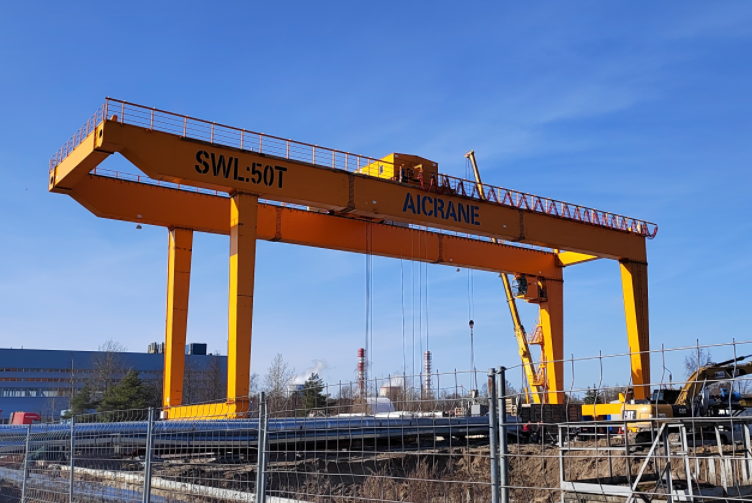
The most straightforward reason why direct manufacturer gantry crane prices are lower is the elimination of intermediaries. Distributors, dealers, and resellers add layers to the supply chain. Each layer adds its own markup to the product to cover operating costs, commissions, and profit margins. By purchasing directly from the manufacturer, buyers bypass these added costs, which can account for 10% to 30% of the final price of a crane.
For example, a standard 30 ton gantry crane sold through a distributor may carry extra fees for transportation, storage, and commission. Ordering directly from the manufacturer ensures that the buyer only pays for the production cost, factory profit, and direct shipping, reducing the overall price without compromising quality.
2. Customization and Avoiding Standard Markups
Direct manufacturers often offer customization options, such as adjustable spans, lifting heights, control systems, and hoist types. While distributors may sell pre-configured models with fixed specifications, manufacturers can tailor the crane to the client’s exact requirements.
When buying through intermediaries, customization is often bundled with additional charges, as distributors aim to cover costs for handling special orders or coordinating with manufacturers. Direct ordering reduces these “middleman customization fees,” allowing clients to get a gantry crane that precisely meets their operational needs at a lower price.
3. Streamlined Production Costs
Manufacturers benefit from economies of scale and optimized production processes. Factories producing gantry cranes in-house can purchase raw materials, such as steel and motors, in bulk at lower costs. They also have dedicated production lines, standardized quality control, and experienced engineers to maximize efficiency.
Distributors, on the other hand, often rely on multiple manufacturers or third-party suppliers. The fragmented supply chain can lead to increased costs due to smaller orders, higher logistics fees, and additional handling. Direct manufacturers can pass these savings onto the customer, reducing the final purchase price.
4. Reduced Marketing and Sales Expenses
When purchasing from a distributor, part of the crane’s cost covers the distributor’s marketing, showroom expenses, and sales commissions. This is particularly noticeable in regions where distributors maintain physical offices, staff, and advertising campaigns.
Direct manufacturers, especially those with online presence or global export experience, operate with lower marketing overheads. Many manufacturers market their products through websites, catalogs, and industry exhibitions, cutting unnecessary retail costs. The result is a gantry crane price that more accurately reflects the production and operational costs, without inflated retail markups.
5. Direct Access to Technical Support
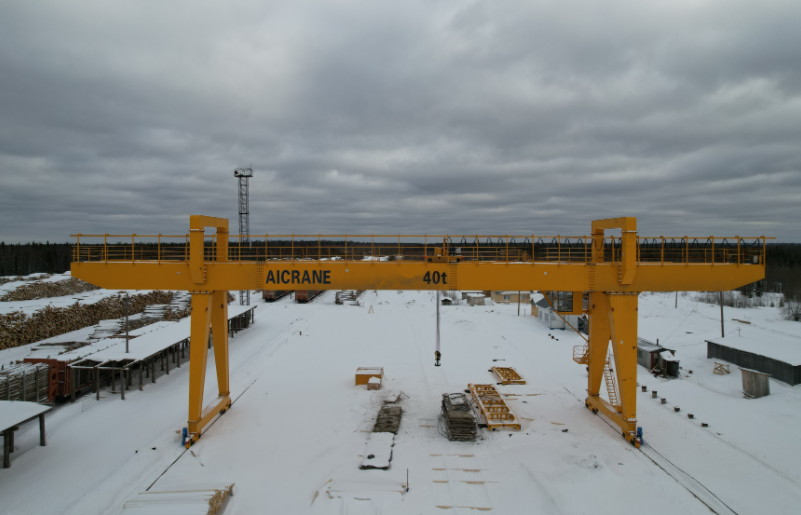
Another advantage of buying directly from a manufacturer is access to technical support and after-sales service at a lower cost. Distributors often provide support but may rely on the manufacturer for complex issues. This can result in added fees for troubleshooting, spare parts, or warranty service.
Direct manufacturer relationships allow buyers to receive direct guidance from engineers familiar with the crane’s design. Maintenance advice, replacement parts, and troubleshooting services are more efficient and often cheaper because they don’t require coordination between multiple parties. While not a direct factor in the purchase price, these savings contribute to the overall cost-effectiveness of buying direct.
6. Transparent Pricing Structures
Direct manufacturers tend to have more transparent pricing structures compared to distributors. When purchasing through intermediaries, the final price can include hidden fees such as shipping surcharges, handling charges, or administrative costs. These additional expenses can make the crane appear more expensive than it actually is.
By dealing directly with the manufacturer, clients can receive detailed quotations breaking down each cost component: materials, labor, assembly, testing, and shipping. This transparency allows buyers to make informed decisions and avoid paying unnecessary premiums, ultimately lowering the total expenditure.
7. Avoiding Stocking Fees
Distributors often stock gantry cranes or parts to provide quick delivery. While convenient, these warehousing and inventory costs are passed on to the buyer. Manufacturers typically produce cranes on demand, tailored to each order. By avoiding storage costs and inventory management fees, manufacturers can offer lower prices.
Additionally, ordering directly allows manufacturers to optimize production schedules, minimize material wastage, and reduce idle labor costs—all contributing to cost savings that can be transferred to customers.
8. Bulk and Long-Term Order Benefits
For companies needing multiple gantry cranes, purchasing directly from a manufacturer offers further advantages. Manufacturers are more likely to offer bulk discounts or long-term supply agreements that lower the per-unit cost. Distributors may not have the flexibility to provide such deals, especially if they must purchase from multiple suppliers and maintain smaller profit margins on each sale.
Direct relationships also encourage manufacturers to provide additional value, such as free training, extended warranties, or installation assistance, which would be more expensive or unavailable through intermediaries.
9. Examples in Industry Practice
Consider a 20-ton rubber tyred gantry crane. Through a distributor, the crane may cost $55,000 due to added fees and commission. Directly from a manufacturer, the same crane could be priced at $45,000–$47,000, depending on customization. The savings come primarily from eliminating intermediary markups, optimizing shipping, and leveraging factory pricing.
Similarly, double girder overhead cranes with spans over 30 meters show significant cost differences. Distributors may inflate prices by 15–25% to cover risk, storage, and handling. Direct purchase allows buyers to negotiate with engineers and production managers directly, often resulting in substantial savings while receiving a crane suited to exact project requirements.
10. Considerations When Buying Direct
While direct purchasing offers significant cost advantages, buyers should be aware of certain considerations:
- Manufacturer Reputation: Ensure the manufacturer has a proven track record, certifications, and experience with the crane type you need.
- After-Sales Support: Confirm warranty, maintenance, and technical support are available directly from the factory.
- Shipping and Installation: Some manufacturers provide shipping and installation services, but logistics may be the buyer’s responsibility.
- Communication: Direct dealing may require more proactive communication to clarify specifications, lead times, and payment terms.
These considerations are minor compared to the financial and operational benefits of purchasing directly from the source.
Conclusion
Direct manufacturer gantry crane prices are generally lower due to the elimination of intermediaries, streamlined production, transparent pricing, and direct technical support. Buyers also benefit from reduced marketing and warehousing costs, customized solutions without extra fees, and potential discounts for bulk orders. While distributors can offer convenience and local support, for many industrial buyers, dealing directly with a trusted manufacturer is the most cost-effective and efficient way to acquire high-quality gantry cranes.
By understanding the advantages of direct procurement, businesses can reduce capital expenditures, acquire cranes tailored to their operations, and ensure long-term reliability and support. Ultimately, the lower price of direct manufacturer gantry cranes is not about sacrificing quality—it is about smarter, more efficient sourcing that maximizes value for industrial projects.