
Travel Drive Technology for Long-Distance 20 Ton Gantry Crane Operations
Gantry cranes are indispensable in industrial operations, especially when it comes to handling heavy materials over long distances. For a 20-ton gantry crane, ensuring smooth, reliable, and efficient travel over extended spans is crucial for operational safety, productivity, and equipment longevity. At the heart of this capability lies travel drive technology, a critical aspect of crane engineering that determines how the crane moves along its rails or roadway. In this article, we delve into the mechanics, types, advantages, and innovations associated with travel drive technology for long-distance 20-ton gantry crane operations.
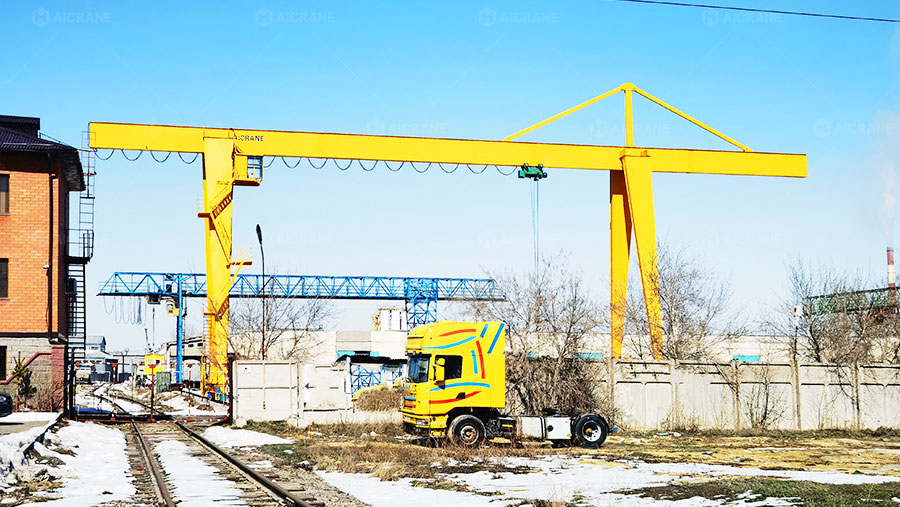
Understanding Travel Drive Technology in Gantry Cranes
Travel drive technology refers to the systems and mechanisms that enable a gantry crane to move along its longitudinal path—typically along rails installed on the ground or elevated on a runway. For a 20 ton gantry crane for sale, which handles moderately heavy loads, the travel drive must be engineered to provide smooth acceleration and deceleration, precise positioning, and minimal mechanical stress. These aspects become particularly important in long-distance operations, where the crane may travel tens or even hundreds of meters across a workshop, warehouse, or outdoor storage area.
A gantry crane’s travel drive system generally consists of the following components:
- Motors – Electric or hydraulic motors that provide the driving force for the crane’s movement.
- Gearboxes – Used to regulate speed, increase torque, and ensure smooth motion.
- Wheels and Wheel Assemblies – These support the crane’s weight and transfer the driving force to the rails.
- Braking Systems – Critical for safety, enabling controlled stops and holding the crane in position.
- Control Systems – Electronics and software that manage speed, acceleration, and synchronization of multiple drives.
For long-distance operations, all these components must be optimized to reduce energy consumption, wear and tear, and operational delays while ensuring safety and reliability.
Types of Travel Drive Systems
1. Electric Travel Drive
Electric drives are the most commonly used technology in modern 20-ton gantry cranes. They use AC or DC motors coupled with gearboxes to propel the crane along its rails. Electric drives offer several advantages:
- Precision: Modern electric drives, especially with variable frequency drives (VFDs), allow for fine control of speed and acceleration.
- Energy Efficiency: Electric motors are highly efficient and can be paired with regenerative braking systems to recover energy during deceleration.
- Low Maintenance: With fewer moving parts compared to hydraulic systems, electric drives require less routine maintenance.
- Synchronization: Electric drives can be easily synchronized for multi-motor setups, ensuring smooth and balanced travel over long distances.
For long-distance gantry crane operations, electric drives are often preferred due to their ability to maintain consistent speed and reduce mechanical stress on the rails and wheels over extended travel.
2. Hydraulic Travel Drive
Hydraulic drives use fluid power to move the crane. Hydraulic motors and pumps provide force through high-pressure fluid, translating into wheel rotation. While less common for standard 20-ton cranes, hydraulic drives are sometimes employed in challenging environments or where variable torque is critical.
- High Torque at Low Speed: Hydraulic systems excel at generating high torque at low speeds, which is beneficial when starting heavy loads.
- Compact Design: Hydraulic components can be smaller than electric gearboxes for similar torque output.
- Smooth Load Handling: Fluid power provides inherently smooth motion, reducing jolts and stress on the crane structure.
However, hydraulic systems can be less energy-efficient over long distances, require more maintenance, and are sensitive to temperature fluctuations.
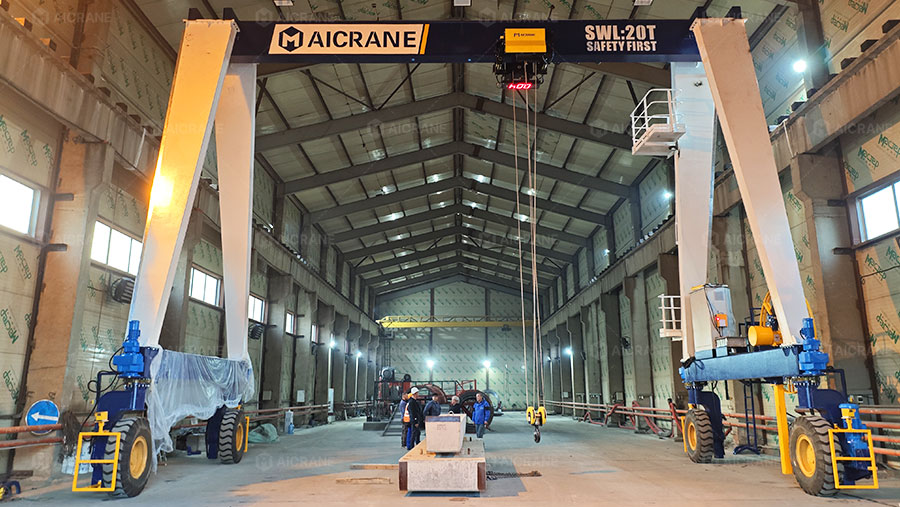
Key Considerations for Long-Distance Gantry Crane Travel
Operating a 20-ton gantry crane over long distances introduces unique challenges that must be addressed in the design of the travel drive system:
1. Load Distribution and Wheel Pressure
A 20-ton gantry crane exerts substantial pressure on its wheels and rails, which is amplified over long-distance travel. Uneven load distribution can cause excessive wear on the wheels and rails, leading to premature failure. Travel drives must ensure balanced propulsion, often achieved with synchronized motors and precise alignment.
2. Speed Control and Acceleration
For long-distance travel, sudden starts and stops can create dynamic forces that stress the crane structure and the load. Travel drive systems with variable speed control are essential to gradually accelerate and decelerate the crane, reducing the risk of accidents or material damage.
3. Energy Efficiency
Energy consumption becomes more significant in long-distance operations. Electric travel drives with regenerative braking and energy-optimized controllers help reduce operational costs while maintaining smooth and responsive travel.
4. Safety and Redundancy
Travel drive systems must include redundant braking and emergency stop mechanisms. Long-distance travel increases the consequences of failures, making safety systems such as dynamic brakes, mechanical locks, and automated speed monitoring critical.
5. Control and Automation
Modern 20-ton gantry cranes often integrate PLC-based control systems, allowing operators to program travel paths, speed profiles, and load limits. Automation not only enhances safety but also improves efficiency in repetitive operations across long spans.
Innovations in Travel Drive Technology
Recent advancements in gantry crane travel drive technology have further enhanced performance and reliability:
- Variable Frequency Drives (VFDs): VFDs provide precise speed regulation, energy savings, and smooth acceleration, particularly valuable for long-distance gantry travel.
- Regenerative Braking: Excess kinetic energy is converted back into electricity during deceleration, reducing energy consumption and brake wear.
- Smart Sensors and Condition Monitoring: Sensors can monitor wheel alignment, motor performance, and vibration, enabling predictive maintenance and reducing unexpected downtime.
- All-Wheel Drive and Steering: Some long-distance cranes use all-wheel drive or steering systems to distribute traction evenly, allowing smoother movement on curves or uneven surfaces.
- Hybrid Systems: Combining electric and hydraulic drives can optimize torque, speed, and energy use for complex operations.
Applications and Advantages of Optimized Travel Drives
Long-distance 20-ton gantry cranes are commonly used in:
- Port and Container Terminals: For moving containers across wide storage yards.
- Heavy Fabrication Workshops: Transporting steel beams, machinery, and precast concrete elements.
- Industrial Plants: Handling raw materials or finished products across expansive facilities.
- Rail Yards and Logistics Centers: Moving goods over extended distances efficiently.
Optimized travel drive systems enhance operations by providing:
- Reduced Material Handling Time: Smooth, high-speed travel reduces delays in transport.
- Improved Load Safety: Controlled acceleration and braking minimize load swing and impact.
- Lower Maintenance Costs: Evenly distributed wheel loads and advanced drive systems reduce wear on rails and wheels.
- Energy Savings: Modern drives and regenerative systems cut electricity costs significantly.
Conclusion
Travel drive technology is a fundamental aspect of long-distance 20-ton gantry crane operations. Whether employing electric or hydraulic drives, the system must ensure smooth, safe, and energy-efficient movement across extended spans. Key considerations include load distribution, speed control, energy efficiency, and safety redundancy. With advancements in VFDs, regenerative braking, smart sensors, and automation, modern gantry crane for sale can operate over long distances with unprecedented precision and reliability.
For industries requiring robust material handling solutions over long spans, investing in advanced travel drive technology is not just a matter of operational efficiency—it is essential for safety, cost-effectiveness, and long-term equipment performance.