
How to Plan Overhead Crane Layout During Steel Structure Building Design
Overhead cranes are a cornerstone in modern steel structure buildings, enabling efficient handling of heavy materials, facilitating workflow, and improving overall productivity. However, their integration into a steel structure building requires careful planning during the design phase. Poor layout decisions can lead to operational inefficiencies, safety hazards, and costly modifications after construction. This article explores the key considerations for planning an overhead crane layout during steel structure building design, providing guidance for architects, structural engineers, and project managers.
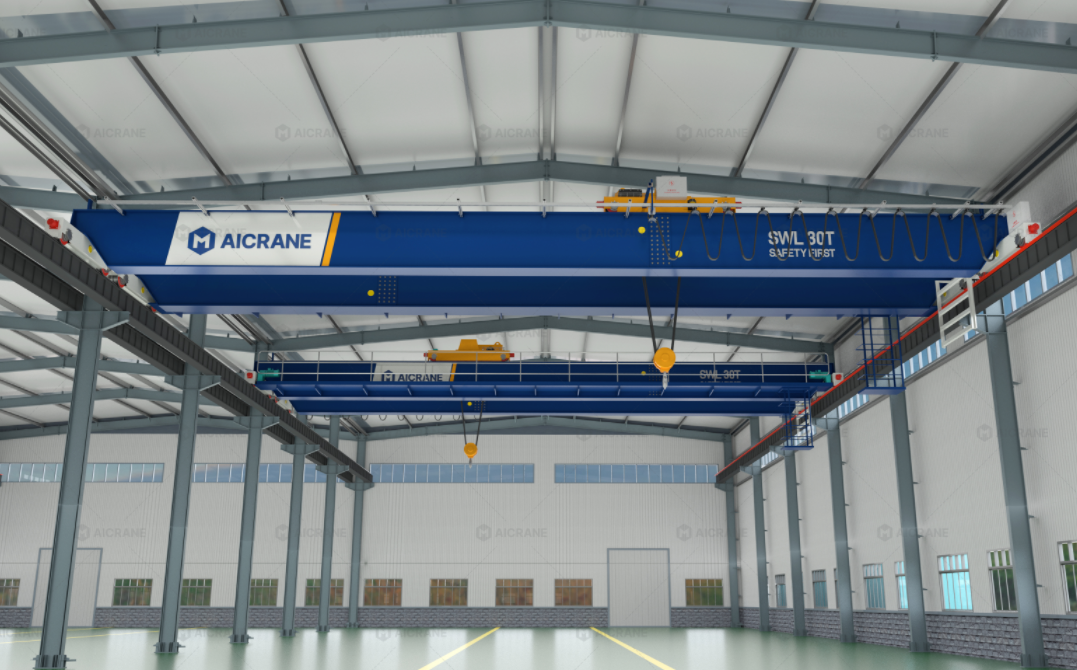
1. Understanding the Role of Overhead Cranes in Steel Buildings
Overhead cranes, also known as bridge cranes, are designed to lift and transport heavy loads within a defined area of a building. In steel structure buildings—such as workshops, warehouses, fabrication plants, and steel storage yards—overhead cranes perform several critical functions:
- Material Handling: Moving steel plates, beams, and components from storage to assembly areas.
- Assembly Assistance: Lifting heavy sections into place for welding or bolting.
- Storage Optimization: Facilitating high-density storage and quick retrieval of steel products.
- Safety and Efficiency: Reducing manual handling risks and improving workflow speed.
Understanding these functions is vital to designing a crane layout that supports operational requirements while maintaining structural integrity.
2. Determining the Crane Type and Capacity
The first step in planning the layout is to define the type and capacity of the crane needed. Overhead cranes vary in configuration:
- Single Girder Cranes: Suitable for lighter loads, typically up to 20–30 tons. They are easier to install and require less structural support.
- Double Girder Cranes: Ideal for heavy-duty applications above 20 tons. They offer higher lifting capacity, longer spans, and improved durability.
- Gantry Cranes and Specialized Cranes: Used in open areas or where mobility is required.
The crane’s lifting capacity, span, and lifting height determine the size and strength of the steel structure, as well as the required runway beams and column spacing. For instance, a 50-ton double girder crane requires stronger columns and wider spans than a 10-ton single girder crane.
3. Assessing Building Dimensions and Layout
The building’s dimensions—length, width, and height—directly influence crane layout. Key considerations include:
- Span and Coverage: Determine the crane’s span to ensure it can reach all critical workstations. The span should be slightly less than the building width to prevent structural interference.
- Crane Travel Path: Ensure the crane can move freely along its rails without obstruction. Avoid placing permanent equipment, storage racks, or structural members in the travel path.
- Lifting Height: The required lifting height affects the building’s eave height. Taller buildings are needed for higher lifts to allow sufficient clearance between the hook and the floor.
Early integration of crane requirements into building design ensures that structural elements, such as columns and roof beams, accommodate the crane without requiring retrofits.
4. Structural Considerations
The integration of overhead cranes affects the structural design of the steel building. Designers must ensure that the building can safely support dynamic and static loads imposed by crane operations:
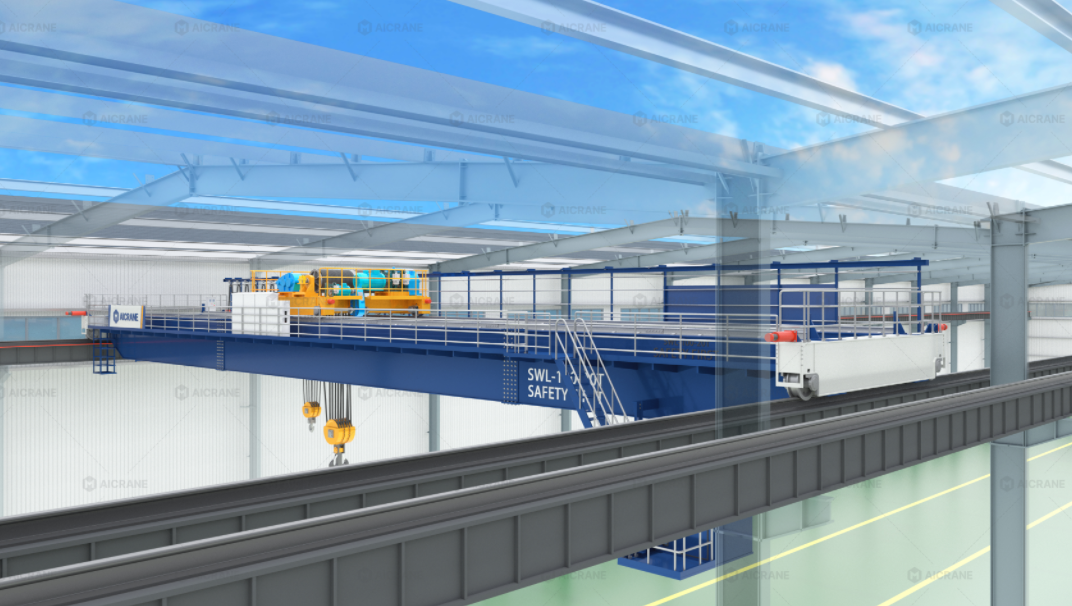
- Runway Beams: These horizontal beams carry the crane’s weight and the load being lifted. Runway beams must be aligned with primary columns and designed to withstand bending moments and deflection.
- Columns and Bracing: Columns supporting the crane must be reinforced and braced to prevent excessive deflection or buckling. Heavy duty overhead cranes may require deeper columns or additional lateral bracing.
- Foundation Design: Crane columns transfer loads to the foundation. Foundation design must consider concentrated loads, vibration, and potential impact forces during crane operation.
Collaboration between structural engineers and crane specialists is essential to balance structural integrity with operational efficiency.
5. Optimizing Crane Coverage and Workflow
A well-planned crane layout improves workflow, reduces handling times, and minimizes operational bottlenecks. Some strategies include:
- Positioning Cranes Strategically: Place cranes near production areas or assembly lines to minimize unnecessary travel.
- Multiple Cranes: In large buildings, consider multiple cranes operating independently or in tandem. Ensure adequate spacing to prevent collisions and interference.
- Crane Interference: Avoid overlap of travel paths where multiple cranes operate. Planning for safe interaction between cranes is critical to avoid downtime and accidents.
Optimizing crane placement during the design phase prevents costly operational adjustments after construction.
6. Safety Considerations
Safety is a paramount concern when integrating overhead cranes into steel structure buildings:
- Clearance and Headroom: Provide sufficient clearance above work areas and under the hook to prevent collisions.
- Emergency Stops and Access: Ensure operators have clear visibility and access to emergency stops. Design walkways and platforms for maintenance safety.
- Load Capacity Limits: Clearly define crane operating limits to prevent overloading. Include signage and automated monitoring systems if necessary.
- Structural Safety Factors: Design structural elements with safety margins to account for dynamic loads, sudden impacts, or unexpected load shifts.
By incorporating these safety measures into the design, the building will support safe and efficient crane operations throughout its lifespan.
7. Integration with Building Utilities and Equipment
Overhead crane planning must also consider integration with other building systems:
- Electrical Supply: Cranes require a reliable power source, often routed along runway rails. Plan for conduits, busbars, or cable festoons without obstructing other equipment.
- Lighting and Ventilation: Ensure crane paths are well-lit, and ventilation systems do not interfere with crane operation.
- Fire Safety Systems: Sprinklers, alarms, and fireproofing must accommodate crane movement without restricting functionality.
Coordinating crane layout with other systems prevents conflicts and ensures a cohesive building design.
8. Future-Proofing and Flexibility
Designing for the future is critical, especially in steel workshops where operations may evolve:
- Capacity Upgrades: Consider the potential need for higher-capacity cranes. Structural elements should accommodate modest increases in load.
- Modular Layouts: Design column spacing and runway rails to allow relocation or addition of cranes without major modifications.
- Technological Integration: Anticipate automation, remote control systems, and IoT-enabled crane monitoring. Ensure the layout supports future upgrades.
Flexibility reduces long-term costs and keeps the facility competitive.
9. Collaboration and Consultation
Successful overhead crane integration requires collaboration between multiple stakeholders:
- Architects and Structural Engineers: Ensure building dimensions, column placement, and structural integrity support crane requirements.
- Crane Manufacturers and Suppliers: Provide input on crane specifications, operational requirements, and safety standards.
- Project Managers: Coordinate timelines to ensure crane installation is synchronized with structural construction.
- Safety Officers: Advise on compliance with occupational safety regulations and industry standards.
Engaging all parties early in the design process ensures that the overhead crane system is seamlessly integrated into the steel structure building.
10. Conclusion
Planning the overhead crane layout during the steel structure building design phase is a critical step that impacts operational efficiency, safety, and long-term flexibility. Key factors include crane type and capacity, building dimensions, structural considerations, workflow optimization, safety, integration with utilities, and future-proofing. Early collaboration between architects, structural engineers, crane specialists, and safety officers ensures that the crane system complements the building design and supports efficient material handling.
By carefully considering these factors, businesses can design steel structure buildings that maximize productivity, enhance safety, and reduce costly modifications after construction. Proper crane layout planning is not just a technical requirement—it is a strategic decision that directly affects the facility’s performance and operational success.