
Fire Prevention and Electrical Cabinet Safety for Heavy Duty Overhead Cranes
Heavy duty overhead cranes are critical assets in industrial environments, ranging from steel mills and warehouses to shipyards and construction sites. They are tasked with lifting and transporting extremely heavy loads, often under continuous operation. While mechanical strength and lifting capacity are essential, ensuring electrical safety and fire prevention is equally important to protect both personnel and equipment. Electrical cabinets, which house the control systems, drives, and protection devices, are particularly vulnerable points that require rigorous safety measures. This article explores best practices for fire prevention and electrical cabinet safety in heavy duty overhead cranes, highlighting design strategies, maintenance protocols, and operational considerations.
Importance of Fire Prevention in Overhead Cranes
Fires in industrial environments can have catastrophic consequences, resulting in equipment damage, production downtime, and even human casualties. Overhead cranes, due to their high-voltage electrical systems, motors, and control components, present specific fire hazards. Electrical faults, overheating, poor wiring, and lack of maintenance can all trigger fires within the crane’s electrical system.
The consequences of fire incidents in heavy duty overhead cranes extend beyond the crane itself:
- Production Interruptions: Crane downtime can halt the movement of critical materials, affecting the entire production line.
- Costly Repairs: Fire damage to motors, electrical panels, and structural components can result in expensive replacements.
- Safety Risks: Fires pose direct hazards to operators and personnel working near the crane, particularly in confined spaces.
Therefore, fire prevention must be integrated into the design, installation, and operation of overhead cranes, emphasizing electrical cabinet safety as a core component.
Electrical Cabinet Safety: Core Considerations
The electrical cabinet of a heavy duty overhead crane is a centralized hub containing crucial components, including:
- Power distribution units
- Contactors and relays
- Circuit breakers
- Variable frequency drives (VFDs)
- Programmable logic controllers (PLCs)
- Terminal blocks and wiring harnesses
Due to the high concentration of electrical components, these cabinets are susceptible to overheating, short circuits, and electrical arcing. Ensuring their safety requires attention to design, environmental control, and ongoing maintenance.
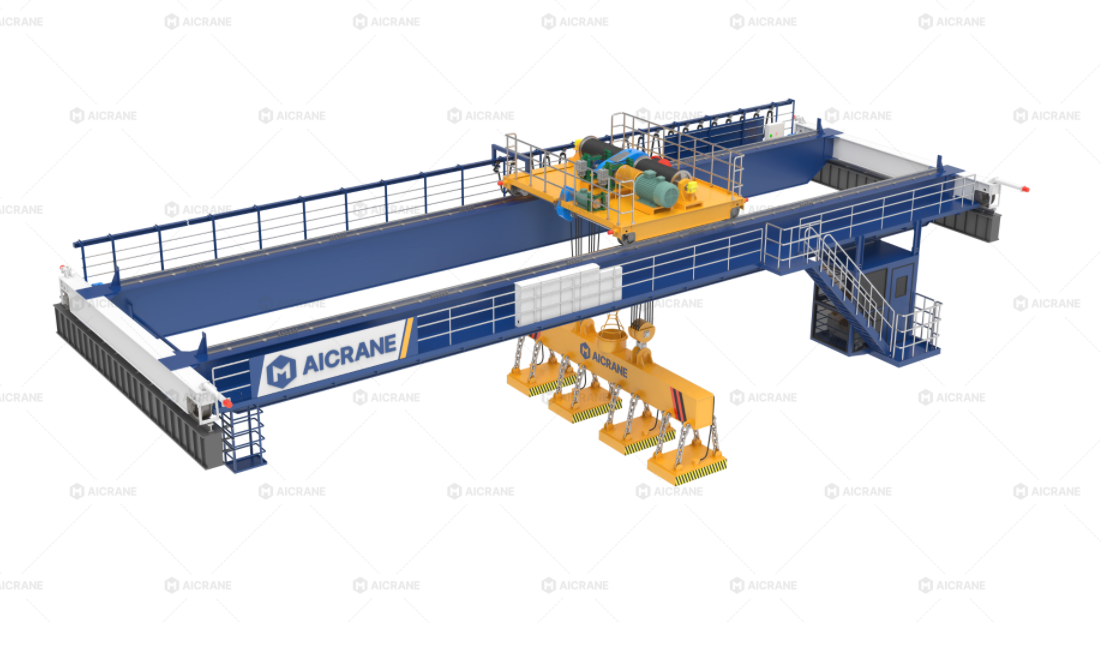
1. Fire-Resistant Materials and Design
The choice of materials and enclosure design is the first line of defense against fire. Electrical cabinets should be constructed from fire-resistant steel or aluminum with high-quality powder coating to withstand high temperatures and prevent the spread of fire.
Key design features include:
- Sealed enclosures to protect against dust, moisture, and sparks
- Fire-rated panels that can withstand short-term exposure to high temperatures
- Internal separation of high-power and control circuits to minimize fire risk from arcing
Additionally, internal wiring should be organized with heat-resistant insulation, and cable management systems should prevent overcrowding, which can contribute to overheating.
2. Thermal Management
Overheating is a leading cause of fires in electrical cabinets. Heavy duty cranes often operate in environments where ambient temperatures fluctuate widely, and the electrical load is heavy. Effective thermal management strategies include:
- Forced ventilation: Fans or blowers that maintain airflow inside the cabinet
- Air conditioning units: For high-humidity or high-temperature environments
- Heat sensors: Thermostats or thermal cutoffs to detect abnormal temperature rises
- Spacing: Ensuring adequate space between components to allow heat dissipation
Regular monitoring of cabinet temperatures and the use of thermal imaging cameras during maintenance checks can help identify hotspots before they develop into fire hazards.
3. Protection Against Electrical Faults
Electrical faults, such as short circuits, overloads, and arc flashes, are significant fire risks. Mitigation measures include:
- Circuit breakers and fuses: Sized correctly to protect all circuits without nuisance tripping
- Ground fault protection: To prevent leakage currents that can ignite flammable materials
- Arc fault detection devices: To sense and interrupt dangerous arcing conditions
- Isolation switches: Allowing safe disconnection of power during maintenance or emergencies
By integrating multiple layers of protection, crane operators can significantly reduce the likelihood of fire originating from electrical faults.
4. Environmental Protection
Many heavy duty overhead cranes operate in harsh industrial conditions, including high humidity, dust, chemical exposure, or extreme temperatures. These factors accelerate the degradation of electrical components, increasing fire risk. Protective measures include:
- IP-rated enclosures: Ensuring protection against dust and water ingress
- Corrosion-resistant coatings: Especially important in marine or chemical environments
- Sealed cable glands and connectors: To prevent moisture and contaminants from entering the cabinet
Environmental protection not only reduces fire risks but also extends the lifespan of critical electrical components.
5. Maintenance and Inspection Protocols
Even the most robust electrical cabinets require regular inspection and maintenance to remain safe. A structured maintenance schedule should include:
- Visual inspections for signs of overheating, burnt insulation, or corrosion
- Thermal imaging to detect hidden hotspots
- Tightening of connections to prevent loose contacts that cause arcing
- Cleaning of dust, debris, and moisture from internal components
- Functional testing of protective devices, including circuit breakers and emergency stops
Maintenance logs should be kept to track inspections, repairs, and replacements. Properly trained personnel should perform all maintenance tasks, following lockout-tagout (LOTO) procedures to prevent accidental energization.
6. Fire Detection and Suppression Systems
For high-risk applications, integrating fire detection and suppression systems directly into the crane’s electrical cabinet may be necessary. Options include:
- Smoke or heat detectors inside or near the cabinet
- Automatic fire suppression using inert gases or clean agent systems
- Manual fire extinguishers placed near the electric overhead crane operating area
These systems can quickly detect and suppress fires before they spread, minimizing damage and downtime.
7. Operator Training and Emergency Preparedness
Crane operators and maintenance personnel are the first line of defense in preventing electrical fires. Training should cover:
- Safe operation practices and avoiding electrical overloads
- Recognizing early signs of overheating or electrical malfunction
- Proper emergency response procedures in case of fire
- Regular drills for electrical fire scenarios
Awareness and preparedness reduce response times and prevent minor incidents from escalating.
Conclusion
Fire prevention and electrical cabinet safety are critical aspects of heavy duty overhead crane operation. Ensuring the structural integrity of the cabinet, effective thermal management, protection against electrical faults, environmental safeguards, and regular maintenance all contribute to minimizing fire risk. In high-risk industrial settings, integrating fire detection and suppression systems and providing thorough operator training further enhance safety.
By prioritizing these safety measures, crane owners and operators can protect both personnel and equipment, reduce downtime, and ensure reliable operation in demanding industrial environments. Electrical cabinet safety is not merely a technical requirement—it is a proactive strategy to safeguard lives, assets, and productivity.