
Compliance with Environmental Regulations in Industrial Gantry Crane Operations
In today’s industrial landscape, environmental compliance has become more than a regulatory requirement—it is a cornerstone of sustainable operations and corporate responsibility. Industrial gantry cranes, essential for heavy lifting and material handling in factories, shipyards, steel plants, and logistics centers, play a crucial role in industrial productivity. However, their operation can significantly impact the environment through energy consumption, emissions, noise, and waste. Ensuring compliance with environmental regulations is therefore critical, not only to avoid legal penalties but also to enhance operational efficiency, protect worker health, and promote a company’s environmental reputation.
This article explores the importance of environmental compliance in industrial gantry crane operations, the key regulations affecting their operation, strategies for achieving compliance, and best practices for sustainable crane management.
The Importance of Environmental Compliance in Gantry Crane Operations
Environmental regulations exist to mitigate the negative impacts of industrial activities on ecosystems, public health, and climate change. Gantry cranes, despite being stationary or mobile heavy-duty lifting equipment, have multiple environmental implications:
- Energy Consumption: Industrial cranes often require substantial electrical or diesel power to lift, move, and position heavy loads. Inefficient operation or outdated equipment can lead to excessive energy use, contributing to higher carbon emissions.
- Emissions: Diesel-powered gantry cranes, commonly used in outdoor storage yards or ports, emit nitrogen oxides (NOx), particulate matter (PM), and carbon dioxide (CO₂). These pollutants are regulated in many jurisdictions due to their harmful effects on air quality and climate.
- Noise Pollution: Gantry crane operations generate significant noise, particularly in steel mills, shipping terminals, and construction sites. Prolonged exposure can affect worker health and violate noise ordinances in industrial zones.
- Hydraulic and Lubricant Leaks: Cranes utilize hydraulic systems for hoisting and motion control. Spills of hydraulic oil or lubricants can contaminate soil and water if not managed according to environmental standards.
- Waste Management: Maintenance of gantry cranes generates waste materials such as worn-out parts, scrap metal, and spent lubricants. Improper disposal of these wastes can lead to environmental fines and reputational damage.
Understanding these impacts highlights why adherence to environmental regulations is crucial for any industrial facility employing gantry cranes.

Key Environmental Regulations Affecting Gantry Crane Operations
Compliance with environmental regulations requires operators to understand and implement standards across multiple domains:
1. Air Quality and Emission Standards
Many countries regulate emissions from industrial equipment, particularly diesel-powered machinery. Examples include the U.S. Environmental Protection Agency’s (EPA) Tier 4 emissions standards and the European Union’s Stage V standards. Compliance may require:
- Using cleaner fuel alternatives, such as ultra-low sulfur diesel.
- Installing particulate filters or exhaust after-treatment systems.
- Transitioning to electric or hybrid gantry cranes where feasible.
2. Energy Efficiency and Carbon Regulations
Several regions have introduced mandatory energy efficiency and carbon reporting standards for industrial equipment. These may include:
- Minimum energy performance standards for electric motors used in cranes.
- Requirements to monitor and report electricity consumption and associated carbon emissions.
- Incentives for adopting variable frequency drives (VFDs) to optimize crane motor operation.
3. Noise Regulations
Occupational health and environmental agencies often regulate noise exposure. Compliance measures may include:
- Installing sound dampening systems on gantry cranes.
- Scheduling operations during designated hours to reduce community disturbance.
- Providing hearing protection and implementing worker safety programs.
4. Hydraulic and Lubricant Management
Hydraulic fluids and lubricants are often classified as hazardous waste if spilled. Regulatory compliance requires:
- Proper containment of hydraulic and lubrication systems.
- Regular inspection for leaks.
- Safe disposal or recycling of contaminated fluids.
5. Waste and Scrap Management
Maintenance activities generate metal scrap, worn-out components, and chemical waste. Environmental compliance mandates:
- Segregation and labeling of waste types.
- Utilizing certified recycling and disposal services.
- Documentation of waste handling to satisfy regulatory audits.
Strategies for Achieving Compliance in Gantry Crane Operations
To comply with environmental regulations while maintaining operational efficiency, industrial facilities can adopt several strategies:
1. Conduct Environmental Audits
Regular audits of crane operations can identify potential environmental risks, such as excessive energy use, emissions, noise, or hydraulic leaks. These audits help prioritize areas for corrective action and ensure compliance with current regulations.
2. Upgrade to Energy-Efficient Equipment
Replacing outdated gantry cranes with modern, energy-efficient models reduces energy consumption, emissions, and noise. Features such as VFD-controlled hoists, regenerative braking systems, and electric drive systems contribute to compliance with energy and emission regulations.
3. Implement Preventive Maintenance Programs
Preventive maintenance ensures that cranes operate efficiently and reduces the likelihood of hydraulic leaks or mechanical failures that could harm the environment. Maintenance programs should include:
- Routine inspection of hydraulic hoses and connections.
- Lubrication checks and fluid analysis.
- Motor and drive system efficiency monitoring.
4. Training and Awareness Programs
Operators play a key role in environmental compliance. Training programs should cover:
- Best practices for energy-efficient crane operation.
- Proper handling and storage of hydraulic fluids and lubricants.
- Reporting procedures for spills or environmental hazards.
5. Adopt Cleaner Technologies
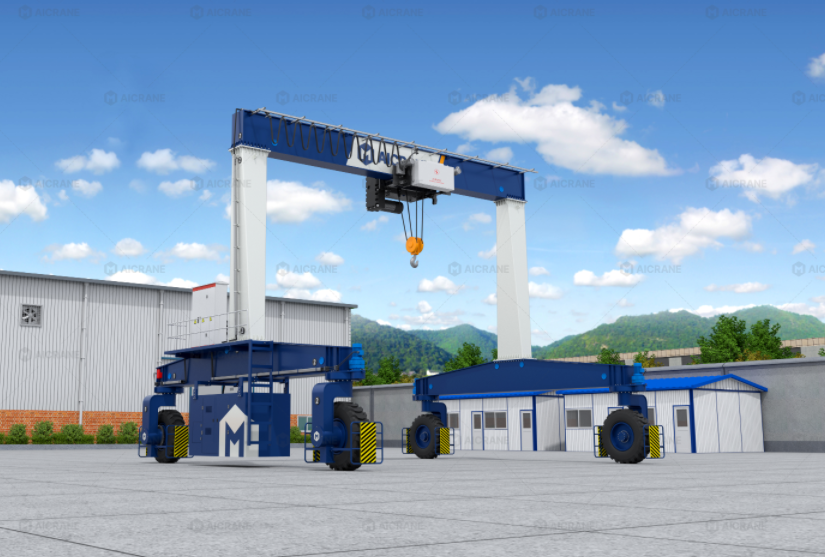
Shifting from diesel-powered RTG gantry cranes to electric or hybrid models significantly reduces emissions. Additionally, implementing noise suppression technologies and low-leak hydraulic systems can help meet environmental standards.
6. Waste Reduction and Recycling
Facilities should implement structured waste management programs that focus on:
- Recycling scrap metal and worn-out components.
- Collecting and recycling lubricants and hydraulic fluids.
- Reducing unnecessary packaging and single-use materials in crane operations.
Best Practices for Sustainable Gantry Crane Operations
Beyond regulatory compliance, sustainable practices offer operational and reputational benefits:
- Energy Monitoring Systems: Integrating sensors and monitoring systems allows real-time tracking of energy use, enabling operators to optimize crane motion and reduce unnecessary energy consumption.
- Scheduled Downtime: Planning crane operations to avoid peak energy periods reduces environmental impact and operational costs.
- Eco-Friendly Lubricants: Switching to biodegradable hydraulic fluids and lubricants minimizes soil and water contamination risks.
- Noise Mitigation Solutions: Installing acoustic barriers or soundproof cabins and using vibration-reducing components protects both workers and surrounding communities.
- Digital Recordkeeping: Maintaining accurate digital records of emissions, energy consumption, maintenance, and waste disposal simplifies regulatory reporting and facilitates audits.
- Community Engagement: Communicating environmental efforts to local communities and stakeholders enhances corporate reputation and demonstrates commitment to sustainable industrial practices.
Conclusion
Compliance with environmental regulations in industrial gantry crane operations is no longer optional—it is a strategic necessity. Adhering to air quality, energy efficiency, noise, hydraulic, and waste management regulations protects the environment, ensures worker safety, reduces operational costs, and strengthens corporate credibility. Industrial operators can achieve compliance through equipment modernization, preventive maintenance, operator training, cleaner technologies, and sustainable waste management practices.
By integrating these strategies, companies not only meet legal requirements but also contribute to broader sustainability goals, supporting global efforts to reduce industrial environmental impacts. Ultimately, environmentally compliant gantry crane operations are a win-win: enhancing operational efficiency while protecting the planet.